Thesis writing is a significant academic milestone. It is the chance to share your ideas, research, and findings with the world. However, before we begin the topic, there is one crucial aspect that every student needs to understand: formatting.
Whether it is APA, MLA, Harvard, or Chicago, the formatting is not limited to its appearance; it also affects the way content is presented and understood. The right choice can impact the grades, the supervisor’s response, and the chances of future publication. If any of these styles confuse you, then this blog will help clarify and make things straightforward.
Importance of Thesis Formatting
Thesis formatting helps standardize academic work. It makes sure that the paper is professional, readable, and properly cited. Each discipline uses a different format for clarity and consistency.
For instance, if you belong to the psychology domain, you will use APA, while literature students use MLA. It is the university and the department that decide which one to follow. If you know how each format works, you can avoid last-minute stress and formatting errors.
APA Formatting
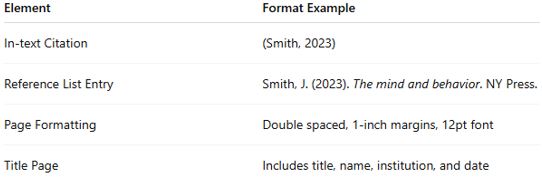
APA stands for American Psychological Association. It is widely used in the social sciences, such as psychology, sociology, and education. Its primary focus is on clarity, structure, and the use of headings that give the content an organized feel. It also pays close attention to citations and references.
An APA format will include the title page, abstract, main body with headings, and the reference page. It usually uses Times New Roman font on 12-point with double spacing. In-text citations include the author-date style.